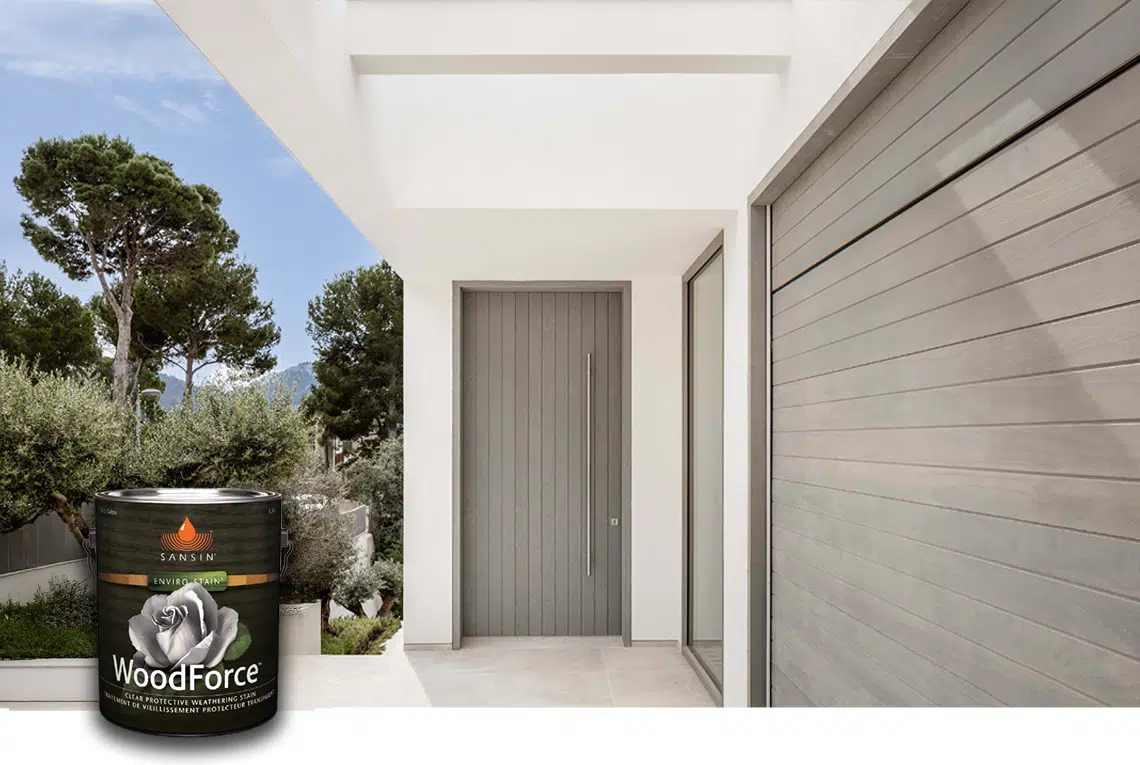
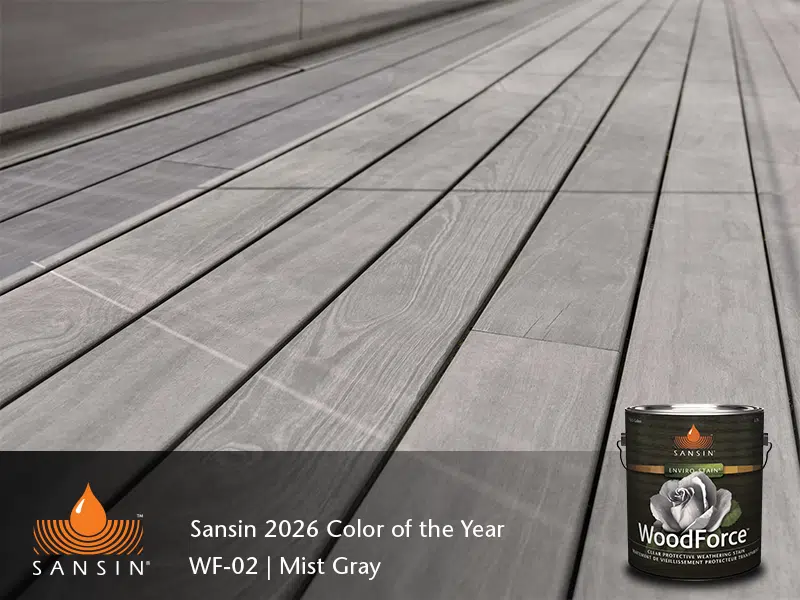
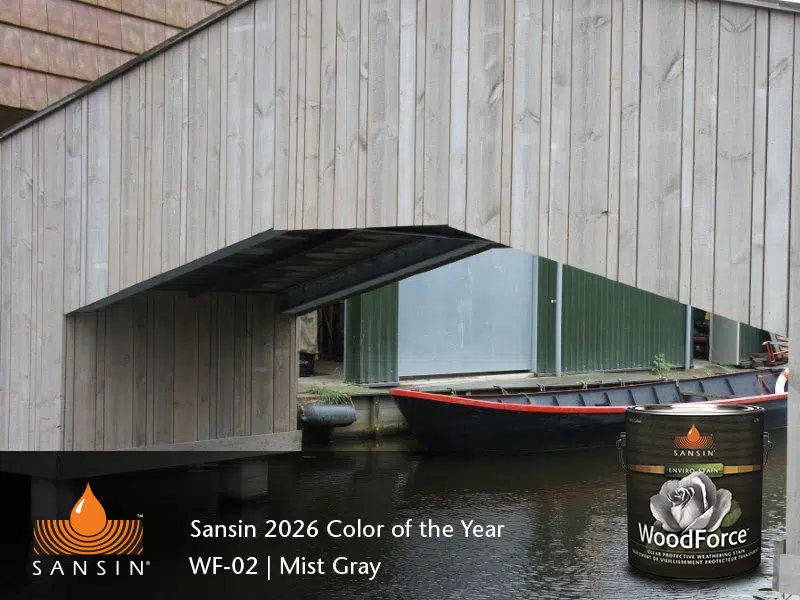
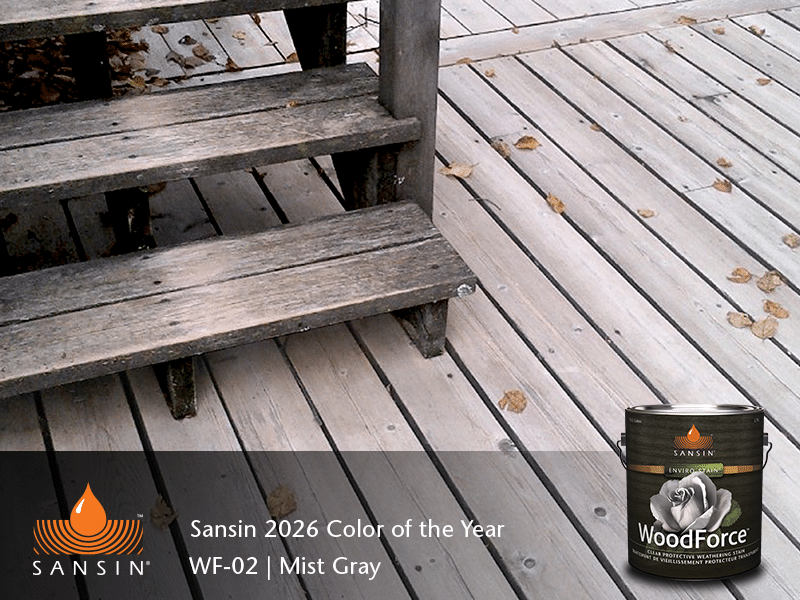
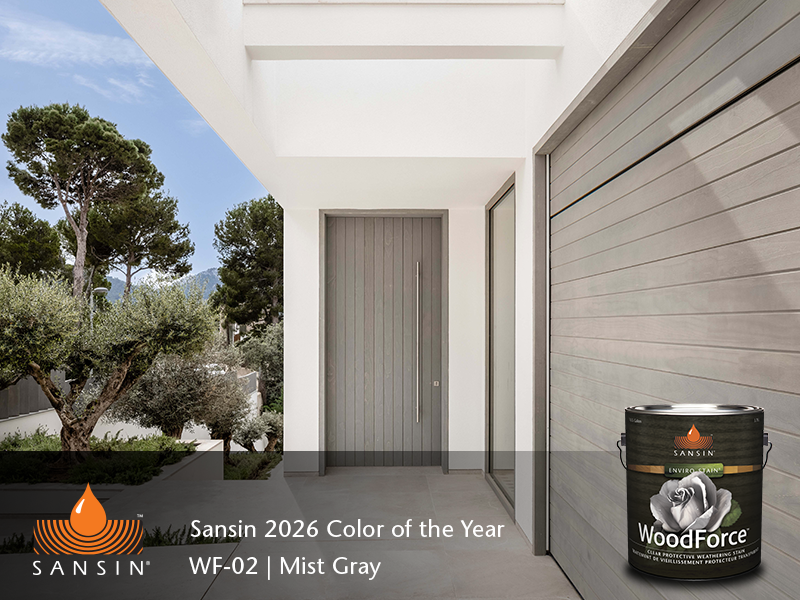
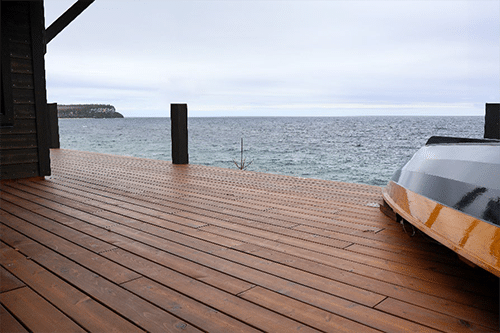
Sansin is pleased to announce WoodForce Mist Gray WF-02 as its 2026 Color of the Year. WoodForce Mist Gray is a gentle, natural weathering color that offers a calming presence. WoodForce Mist Gray blends vintage aesthetics with timeless appeal, easing the transition to a protected weathered wood appearance.
“Vintage and weathered wood aesthetics are trending as homeowners, builders and architects seek the natural beauty of wood. WoodForce Mist Gray is a durable 2 coat finish for wood cladding that protects from water and UV degradation,” said Sjoerd Bos, Sansin’s Managing Director. “
WoodForce Mist Gray can be formulated for use in Sansin’s Precision Coat line, designed for use in a factory finish setting to achieve standardized production quality. Precision Coat WoodForce achieves Euro Class D, s1, d0, fire rating certification according to EN 13501-1 on vertically orientated, 18mm thick, rough sawn spruce with a shiplap profile. WoodForce is an ideal wood coating protection system for fire retardant treated surfaces in some applications.
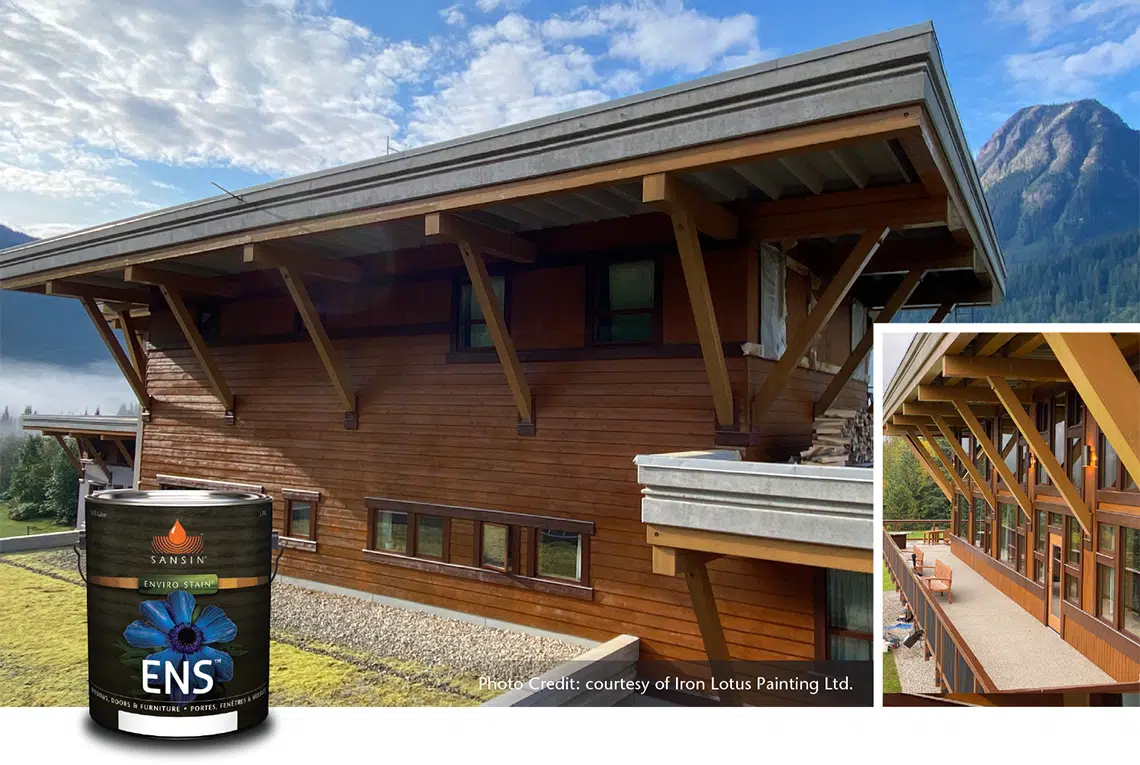
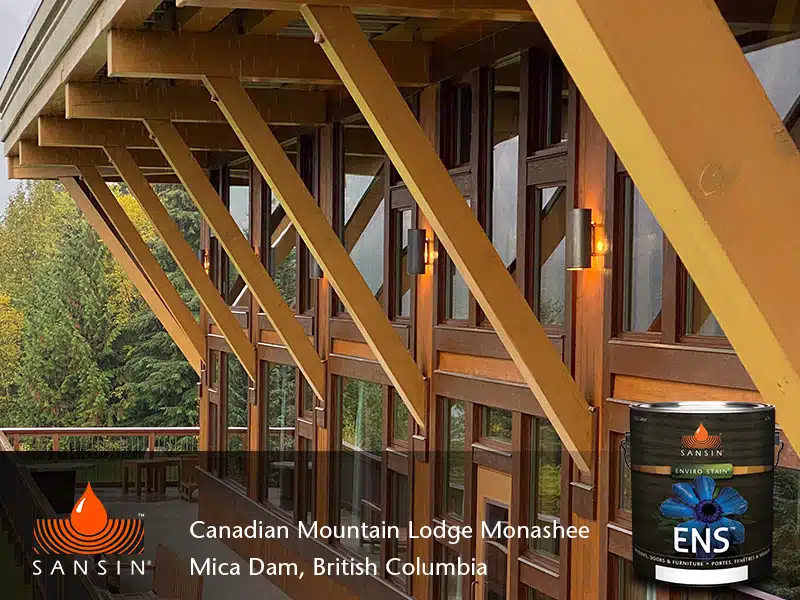
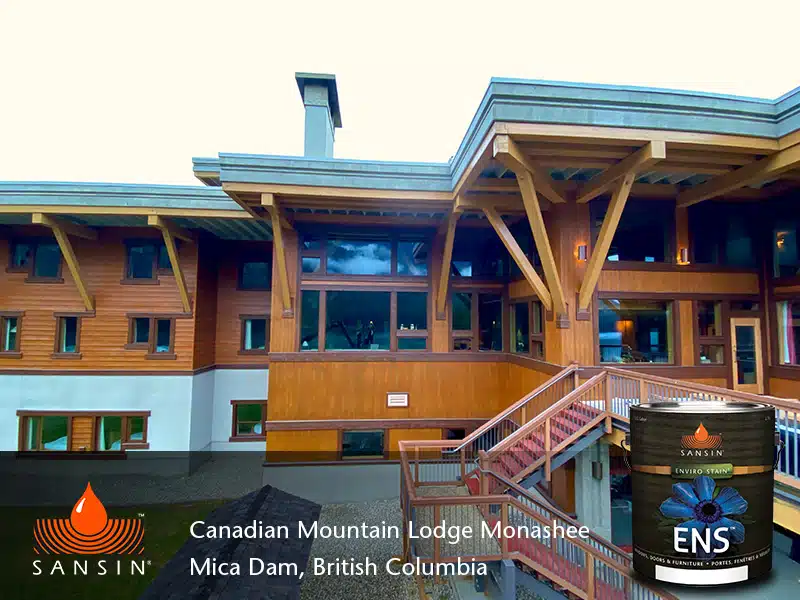
Sansin partner Iron Lotus Painting Ltd. recently completed a full exterior restoration of the Canadian Mountain Holidays Monashee Lodge. The lodge was previously coated in a solvent-based finish. To adhere to the previous coating and add durability and beauty, they selected Sansins’ ENS finish system. ENS enhanced the woods character in the colors Espresso on the siding, and Golden Wheat on the timbers. ENS was selected to stand up to the mountain climate “We strictly use Sansin for all our exterior wood applications,” says Iron Lotus Painting Owner, Melody Jean. “Our environment is harsh and known to be like a rain forest. As we move away from solvent-based products, we turn to Sansin’s water-borne formulas that add value to each project. Our clients love it”, says Jean.
PHOTO GALLERY
PRODUCTS USED IN THIS PROJECT
ENS Optimum Clear
A clear topcoat for maximum performance.
Engineered as a topcoat finish or as a long-lasting maintenance coat for ENS base colors. Crystal-clear, resistant to wear, highly UV stable and loaded with UV inhibitors to prevent discoloration.
Sansin is proud to announce the 2025 Sansin Wood Design & Building Award has been presented to Michael Green Architecture for their outstanding work on the Google Borregas campus in Sunnyvale, California.
At Sansin, we strive to support architects and builders realize the full potential of wood. Sansin acknowledges the thoughtful care that goes into meeting client expectations on durability, sustainability, performance and environmental stewardship. From construction schedules to wood species, color, transparency, finish, and exposure, each decision presents an opportunity to innovate and elevate design and construction.
“We value Sansin wood coatings for their consistent performance, versatility, and ability to highlight the natural character of timber,” said Natalie Telewiak, Principal at MGA | Michael Green Architecture. “Their finishes help us achieve both the aesthetic and technical qualities we seek when designing with wood.”
The Google Borregas building design by Michael Green Architecture, exemplifies how these considerations can be addressed through innovation and thoughtful material choices. The firms comprehensive use of advanced wood coating systems highlights a deep commitment to both performance and design integrity. To achieve the projects ambitious goals, several Sansin systems were carefully selected:
Precision Coat KP-12 UVW was chosen for wood protection during construction. KP-12 UVW dramatically reduces discoloration and staining during the construction process while improving dimensional stability of the wood in laminated lumber. KP-12UVW is often used as the first protective coat of the construction phase but can also be used as the first coat of an architecturally decorative coating system.
Precision Coat Glacier was selected for the interior wood surfaces to enhance wood character and aesthetics while making surfaces easily cleanable and resistant to chemicals long term. This clear, low-VOC topcoat provides a smooth finish while maintaining the warmth of the wood grain. To meet the practical needs of a high-traffic workplace, an additional coat was applied on human touch points ensuring resilience against everyday wear without compromising beauty.
Firestop 97 was chosen as an intumescent fire-retardant coating to protect concealed spaces within the building. Firestop 97 provides “Class A extended burn test” flame spread protection conforming to ASTM E84, ASTM E2768 (30 Minute Tunnel Test) and Canadian Standard CAN/ULC-S102-10.
Firestop 99 was chosen as a transparent, intumescent fire-retardant coating for exposed wood within the building. Firestop 99 provides “Class A” flame spread protection that conforms to ASTM E84 and Canadian Standard CAN/ULC-S102-10.
Sansin Precision Coat WoodForce, was selected for the exterior Accoya wood surfaces in the color Mist Gray, this protective coating delivers the desired protection and natural weathering aesthetic. Precision Coat WoodForce is designed to wear gracefully, while repelling water and resisting UV exposure. The result is a façade that blends durability with a vintage presence, an essential consideration in Google’s commitment to sustainability and design elegance. WoodForce can be easily maintained over time to sustain original aesthetics.
The final result is a building that is beautiful and inspiring while demonstrating how advanced wood protection technology can achieve exacting requirements of the architect and building owner – to meet the performance aesthetic and sustainability requirements of each surface.
“We extend our gratitude to everyone involved in bringing this project to life,” says Sjoerd Bos, Managing Director at the Sansin Corporation. “Google Borregas is a striking example of what can be achieved when innovation, design, and sustainability come together.” Congratulations to Michael Green Architecture and the entire team on this well-deserved recognition.
About Sansin
For 40 years, Sansin has been the only wood protection company focused exclusively on researching and developing environmentally friendly, water-borne interior and exterior wood products and technologies that deliver outstanding color, durability and performance without the toxicity found in conventional stains. Sansin wood treatments, finishes and preservatives use water, not petroleum solvents, to deeply penetrate and protect wood naturally, from within. Sansin has offices in Ontario, Canada, The Netherlands and Rhode Island. Sansin services dealers in Canada, the U.S., Europe and Australasia. To learn more about The Sansin Corporation, or how to become a Sansin preferred dealer, email woodsolutions@sansin.com.
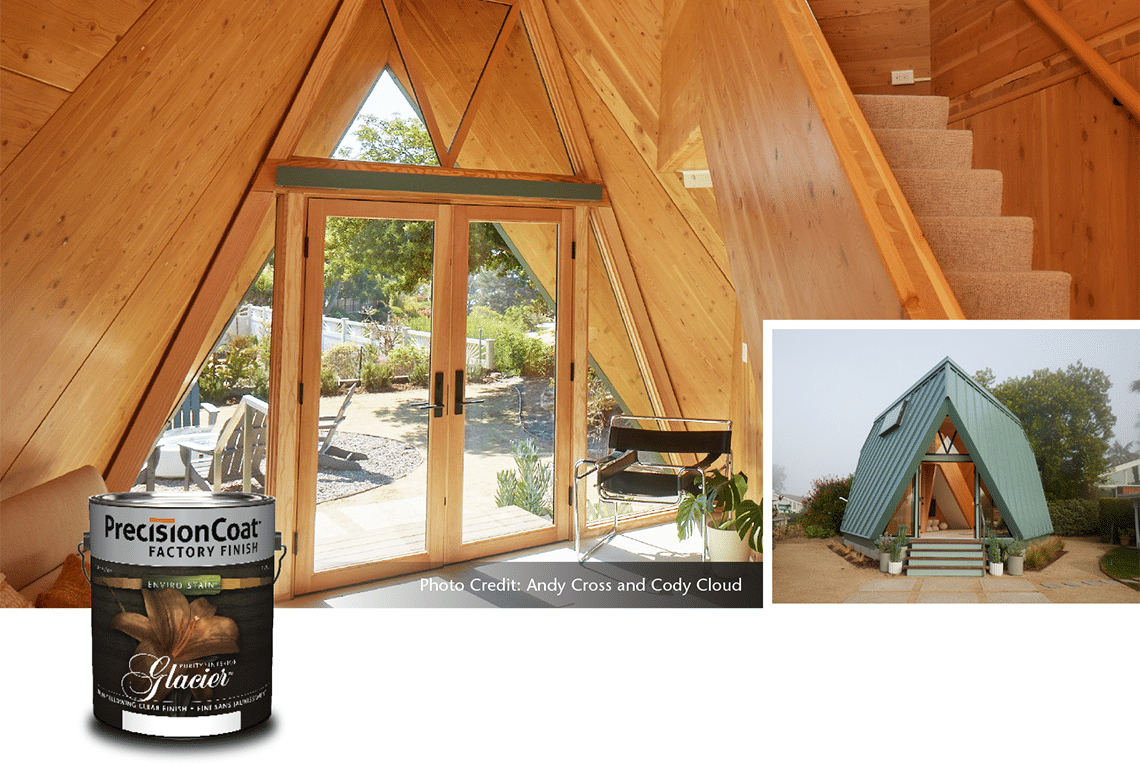
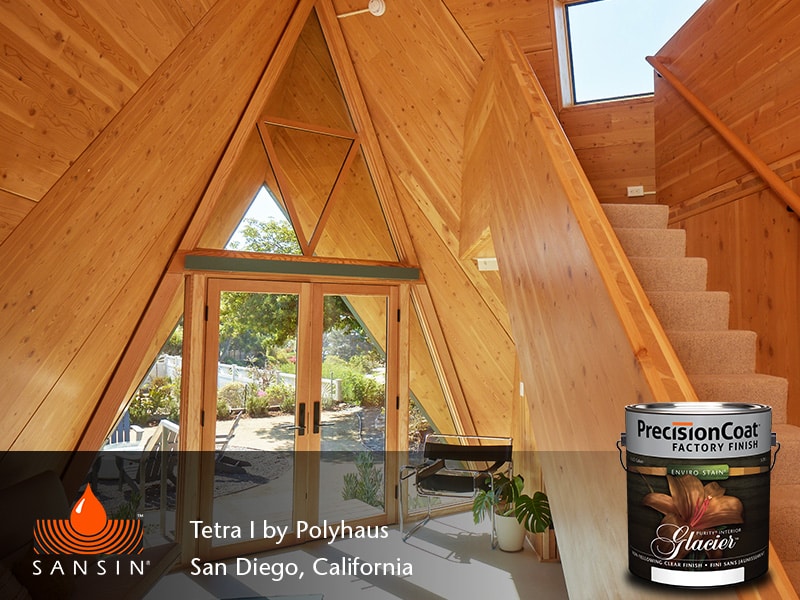
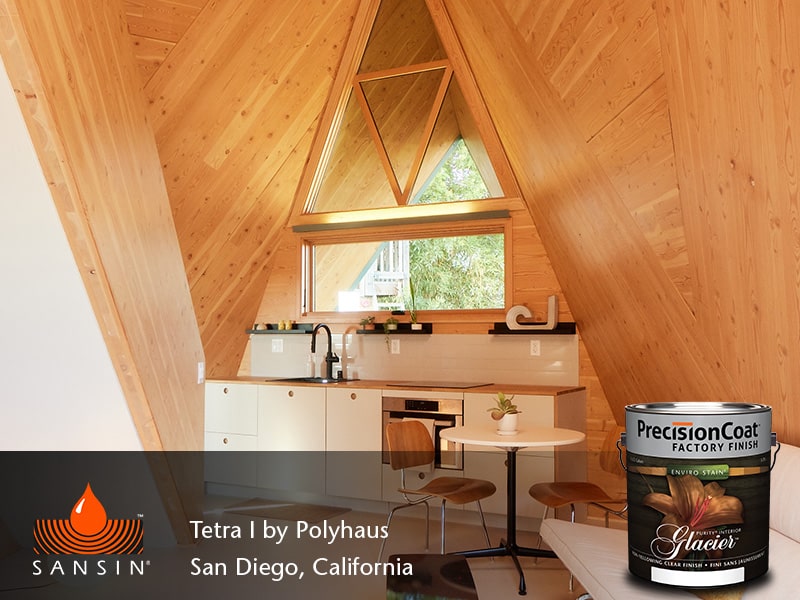
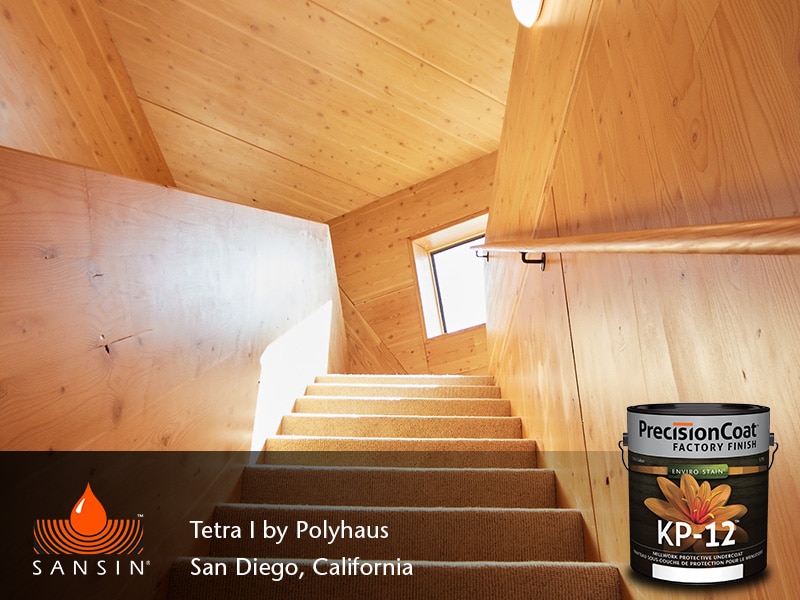
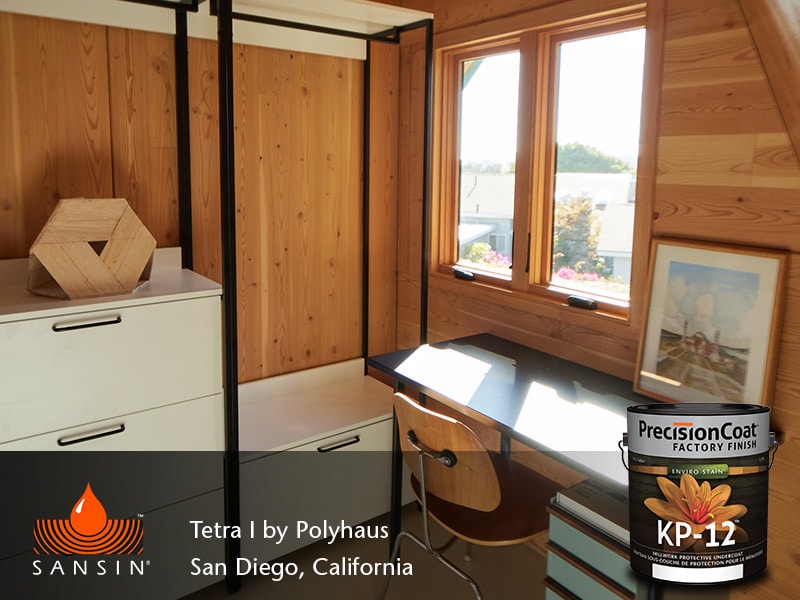
Nestled in San Diego, the Tetra I by Polythaus stands as a striking proof of concept: a 540 sq. foot accessory dwelling unit (ADU) originating from an innovative approach to housing design and construction efficiency. Co-founded by Daniel Lopez-Perez and Celine Vargas, Polyhaus was launched with a simple but ambitious mission to accelerate housing supply growth using a patented rapid-construction system that scales beautifully and sustainably. From the earliest stages, Tetra I Polyhaus was protected with Sansin Precision Coat KP-12, a durable penetrating coating designed to protect exposed mass timber during the construction phase. Inside, the cross laminated timber, supplied by Vaagen Timbers is finished with PC Glacier Gloss, a crystal-clear finish, followed by a final sheen of PC Glacier Low Luster. Sansin was applied to balance the natural beauty of the wood with a durable surface, offering long lasting protection.
PHOTO GALLERY
PRODUCTS USED IN THIS PROJECT
Precision Coat Purity Glacier
A crystal-clear finish for high-wear interior wood surfaces.
When you need a tough, non-ambering finish that offers glass-like beauty and clarity, choose Precision Coat Purity Glacier.
West Warwick, Rhode Island – September 10, 2025 – The Sansin Corporation, a leader in high-performance, environmentally friendly wood protection, has added seven independent dealers across the United States, Canada, and the Caribbean, to its growing distribution network.
“These new dealers have invested in Sansin’s wood coatings and are committed to serving residential and commercial builders with sustainable, high-performance solutions,” said Margaret Bos, Director of Retail Sales. “Expanding our network gives more professionals access to the most beautiful and durable wood protection on the market.”
For almost 40 years, Sansin has been the only wood protection company focussed exclusively on researching and developing environmentally friendly, water-borne, interior and exterior wood coatings and technologies that deliver outstanding color, durability, and performance without the toxicity found in conventional stains. Sansin wood treatments, finishes, and preservatives use water, not petroleum solvents, to deeply penetrate and protect wood naturally, from within. Sansin has headquarters in Canada, the United States, and the Netherlands. Sansin has dealer locations and distributors in Canada, the U.S.A, Europe, Caribbean, and Australasia. To learn more about The Sansin Corporation, or apply to join our elite network of independent dealers, visit www.sansin.com
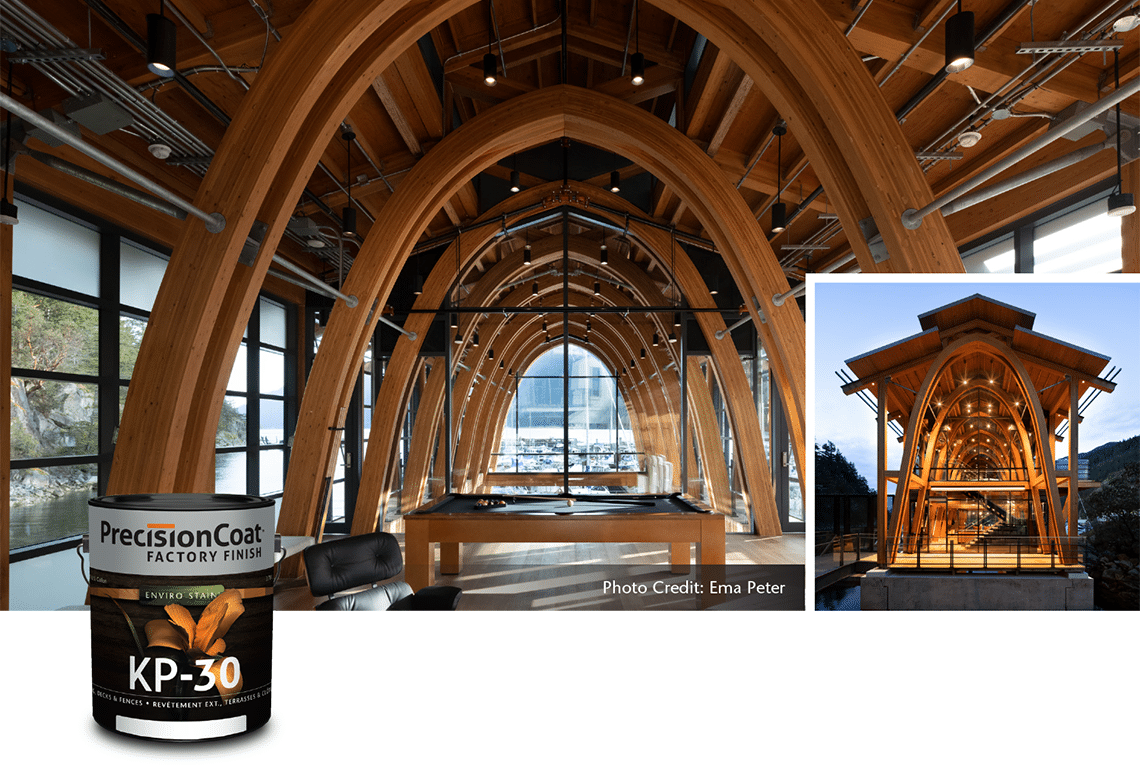
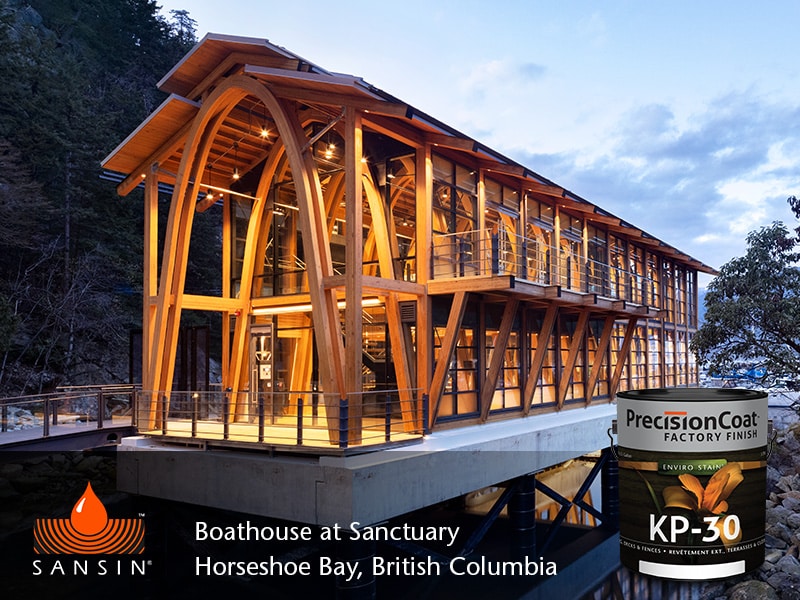
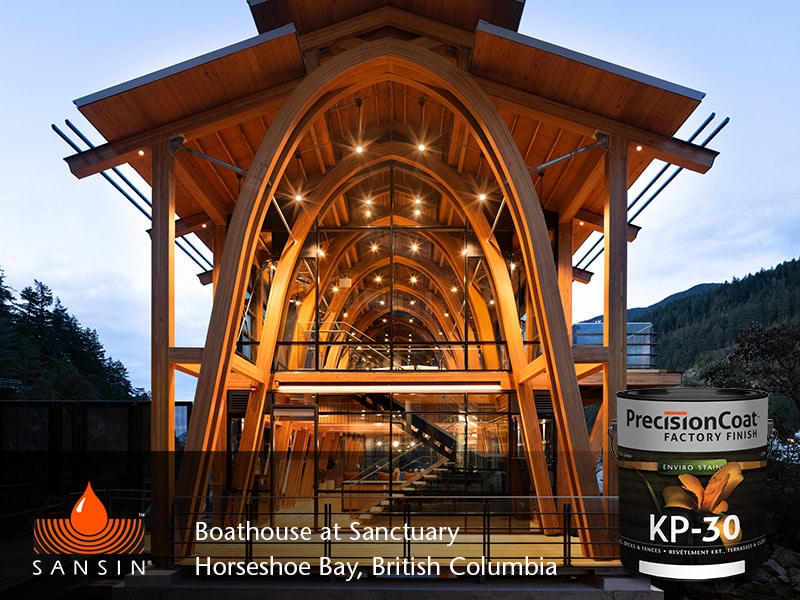
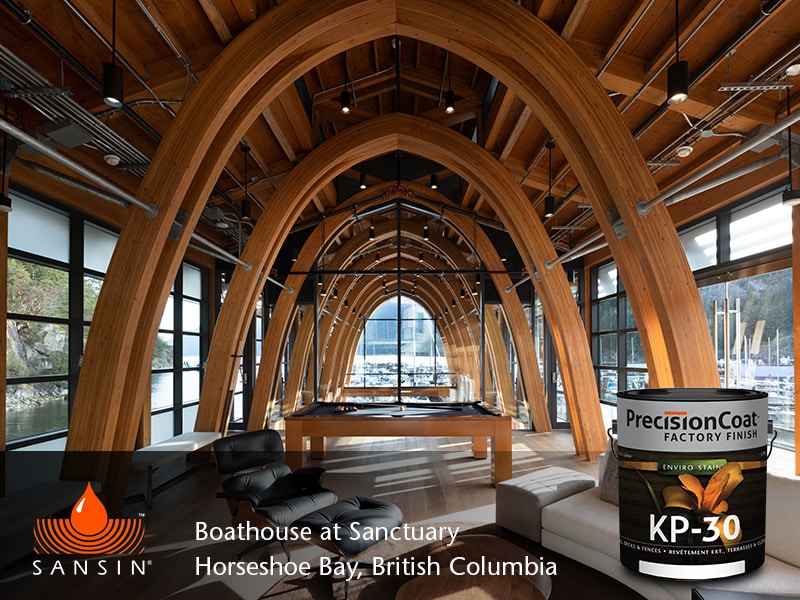
Horseshoe Bay’s Boat House serves a practical purpose while inspiring the community, offering a warm welcome to visitors. FraserWood fabricated the glulam and heavy timber which had to be barged into the site given its challenging location in Horseshoe Bay, BC. Precision Coat KP-12 protects the wooden beams, railings, and decking during construction. The architectural coating system used included Precision Coat KP-30 in a penetrating, custom color and Precision Coat KP-32 topcoat to provide extra durability.
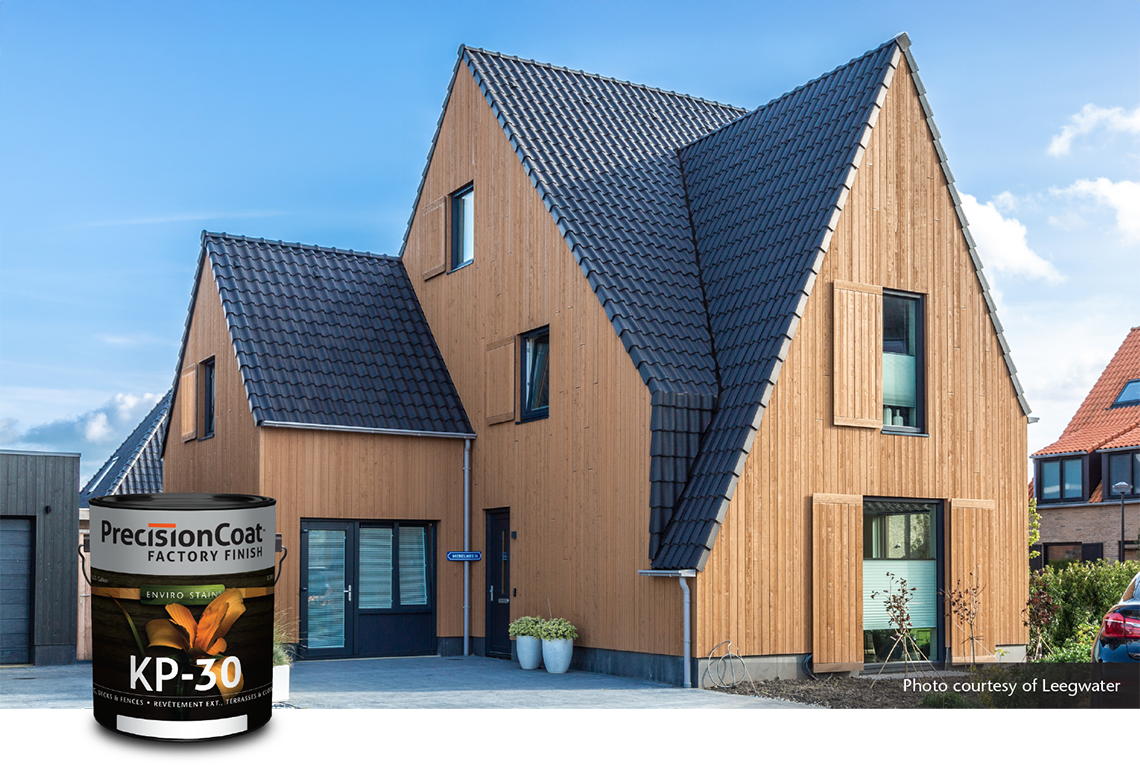
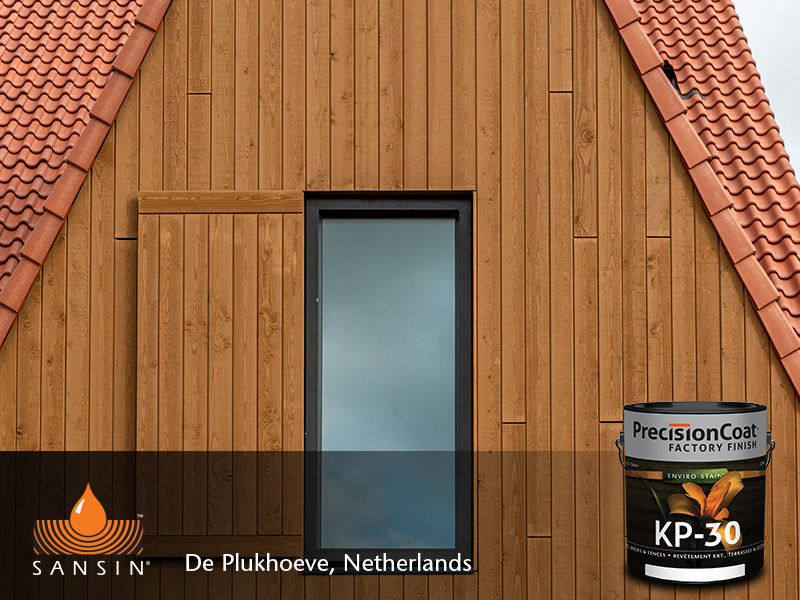
In the Dutch development of De Plukhoeve, M3 Architects designed the homes to enhance the existing village ambiance through distinguished shapes and proportions. Each residence features a distinct main house, extension, and annex that are unified by a prominent sloping roof. To preserve the natural beauty of the Finnish spruce cladding, sourced through Sansin partner Leegwater, Sansin Precision Coat KP-30 was applied in RAL1011, RAL1019, RAL7021, RAL7022 and RAL8025 color. This choice underscores the project’s commitment to natural beauty and durability.
Strathroy, Ontario, Canada – June 18, 2025 – The Sansin Corporation is excited to announce the publication of a new article Real Wood vs. Composite Decking: Why is wood best? This insightful article highlights the benefits of choosing real wood over composite materials for your decking.
Key Highlights:
Comfort: Real wood decks insulate better than composite decks, which can become hot and slippery.
Sustainability: Wood is a natural, renewable resource with the lowest embodied energy compared to composite materials.
Strength: Wood’s strong cellulose fibers offer superior tensile and flexural strength.
Durability: Certain wood species like redwood and cedar are naturally resistant to rot and insects.
Beauty: Wood’s unique grain and character add aesthetic appeal and a calming presence.
Lower Cost: Real wood is significantly cheaper than composite decking options.
Zero Waste: Wood can be reused and recycled, reducing environmental impact.
Our article concludes that real wood is the preferred choice for decking due to its environmental sustainability, strength, durability, aesthetic appeal, comfort, safety, and cost-effectiveness.
Visit our website to explore the full article and learn more about why real wood is the best choice for your decking projects.
About Sansin
For more than 35 years, Sansin has been the only wood protection company focused exclusively on researching and developing environmentally friendly, water-borne interior and exterior wood products and technologies that deliver outstanding color, durability and performance without the toxicity found in conventional stains. Sansin wood treatments, finishes and preservatives use water, to deeply penetrate and protect wood naturally, from within. Headquartered in Ontario, Canada, Sansin has offices in the Netherlands and Rhode Island and independent dealer locations in Canada, the U.S., Europe and Australasia. To learn more about The Sansin Corporation, or how to become a Sansin preferred dealer, visit www.sansin.com.
# # #
Media Contact: Mauraine Bos pr@sansin.com | (519) 245-2001
Hosting barbeques, pool parties and events are what summer is all about. It might surprise you to learn how the practicality of your real wood deck delivers a more comfortable and superior experience to composite decking. Throughout its life span we expect our deck to hold up to the wear and tear of daily activity. While composite decking is perceived to deliver similar structural integrity and durability, wood has proven to be more sustainable, durable and more comfortable than composite alternatives. From better thermal properties to a lower carbon footprint, wood proves to be the more practical choice.
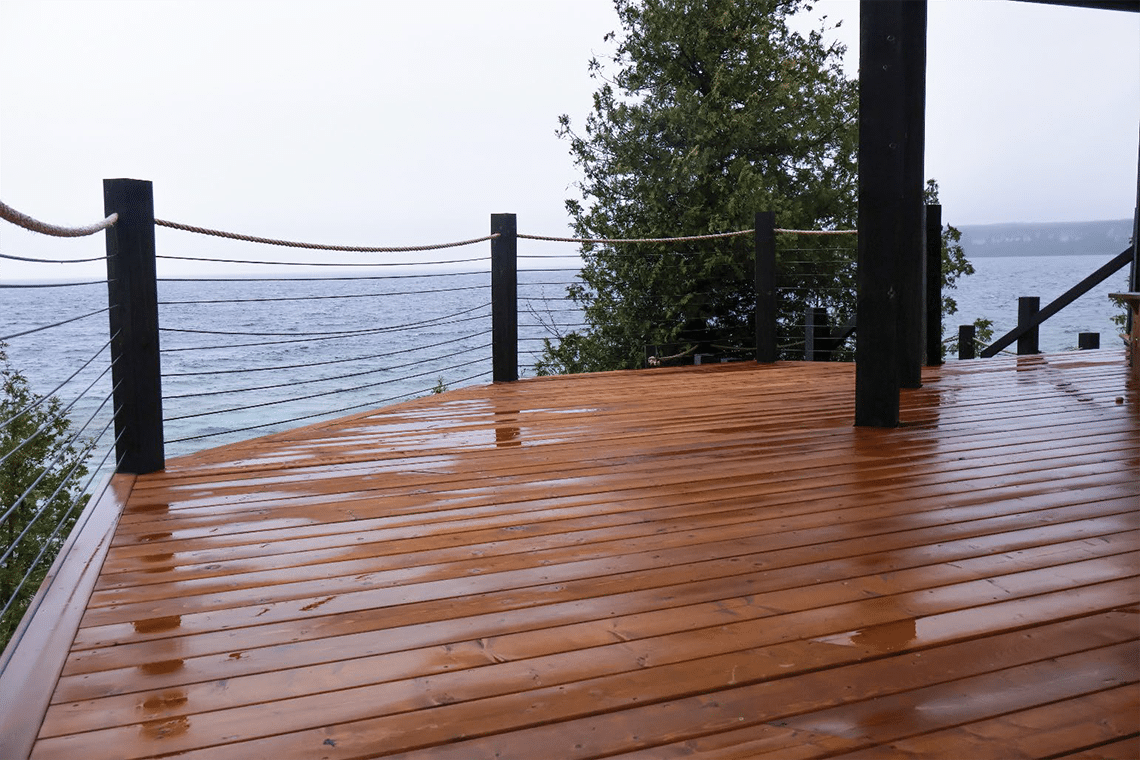
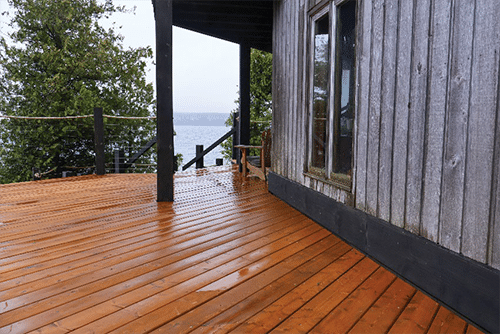
Pressure Treated Deck. Shoreline of Georgian Bay, Ontario, Canada
Comfort – Composite decks get hot. Composite material absorbs solar energy and radiates it, creating hot surfaces, while real wood insulates naturally, providing a more comfortable walking surface. Comparing walking across a wood deck and a composite deck reveals distinct differences. Wood feels better and more ‘sure-footed’, especially when the weather fluctuates. Composite materials vary dramatically in characteristics that impact their surface, often making them more slippery. Composite materials react quickly to changes in humidity and temperatures compared to wood. Without the ability to absorb moisture, the moisture will sit on top of the composite material. This, combined with the hardness of the surface, results in lower friction and increased slip risk.
Sustainable – When sourced sustainably, wood is the world’s only primary natural and renewable building resource. Solid wood products have the lowest embodied energy* (the total amount of energy required for the product lifespan, from harvest to usage to disposal) when compared to any composite or engineered building materials. Wood stores carbon for its lifespan, therefore reducing the carbon emissions. Real wood emits less greenhouse gases than any other plastic or in-organic based composite product.1-3
Strength – Wood is composed of parallel strands of strong cellulose fibres held together by lignin. Wood can withstand high stress and distribute load evenly. The optimal grain direction, and denser wood, provides great compressive and flexible strength. Studies confirm the tensile and flexural strength qualities of solid wood is much higher than wood plastic composite materials.4-6
Durability – Certain species, like redwood and cedar, are naturally rot resistant and insect resistant, making these substrates ideal for building decks. Durability refers to the inherent resistance of wood from attack primarily by wood destroying organisms. The crystalline portion of cellulose is resistant to microbial attack, while the lignin protects the non-crystalline portion and other carbohydrates. Most wood species also have extractive compounds which are the primary source for decay resistance. These fungitoxic compounds are one of the major constituents of heartwood that prevent wood decay.7,8 Penetrating, breathable, non-film forming wood coatings can add durability and protect woods character, even through freeze-thaw climates.
Beauty – Wood is natural and brings biophilic properties to any structure. Real wood has grain and character that is unique and cannot be replicated – no two pieces of wood are exactly alike. Wood fibres grow in response to climate and location; the various wood species and growth patterns offer diverse aesthetic opportunity. Wood adds a calming presence due to its natural sound absorption properties, contributing to the overall atmosphere.
Lower Cost – Price is always important. What is the difference in cost of materials? We compare average online costs of 5/4 x 6 – 12 foot pressure treated lumber, Western Red Cedar, and composite decking. Pressure treated sits at an average of $12.00, Western Red Cedar at $25.00, while a composite decking board costs upwards of $55.00. On average, Western Red Cedar costs less than half the price when compared to composite decking.
Zero Waste – Real wood can be reused and recycled in many ways, such as using the material for another project, or as a source of fuel or energy at the end of its useful life in a deck. Unfortunately, composite materials will end up in the landfill, as the material is difficult and expensive to recycle at the end of its life.
Feel good buying real wood. If you have or are planning to build with real wood, you can feel great about your commitment to the environment. Not to mention its beauty, durability, and the money you’ll save.
Environmental Benefits of Wood
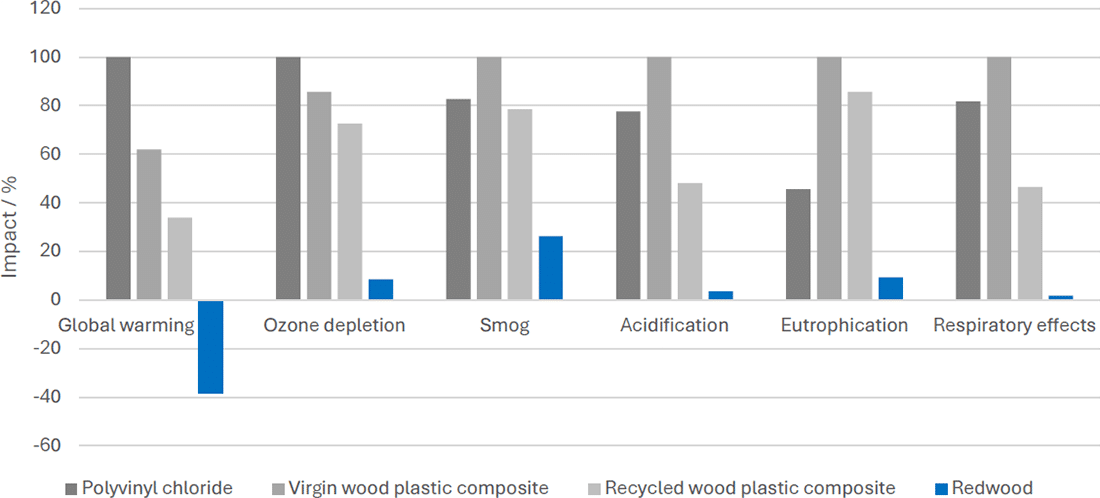
Studies of the lifecycle assessment of composite materials show that composites have a significantly greater, negative, environmental impact than wood1-2. In the graph below, notice the composite materials and polyvinyl chloride (PVC) reflect poorly when compared to redwood.
Impact of life cycle assessment of composite materials and PVC vs. Redwood
Figure 1. Impact of life cycle assessment of composite material and polyvinyl chloride (PVC) vs. Redwood decking. The composite with the highest value for each impact category is used as the reference. Global Warming for PVC decking is 426kg CO2 eq is 100% reference. Ozone depletion for PVC decking is 1.60e-5 kg CFC-11 eq is 100% reference. Smog for virgin wood plastic composite decking is 36.3kg O3 eq is 100% reference. Acidification for virgin wood plastic composite is 5.94kg SO2 eq is 100% reference. Eutrophication for virgin wood plastic composite is 0.237kg N eq is 100% reference, and respiratory effects for virgin wood plastic composite is 0.338kg PM2.5 eq is 100% reference.1
The life cycle impact assessment quantifies the impact of each material listed within its category. Real wood offers significant environmental benefits compared to composite materials and plastics within all six environmental measures including global warming, ozone depletion, acidification, eutrophication, smog, and respiratory effects. Notice, composite materials made with virgin plastics are not only demonstrating worse effects than wood, but also polyvinyl chloride (PVC), in the case of smog, acidification, eutrophication, and respiratory effects. Redwood has a net-positive impact on global warming as it is a living, breathing material, and through photosynthesis, absorbs carbon dioxide (CO2) acting as a carbon store. Real wood’s ability to biodegrade, and lower carbon footprint make it an eco-friendly option that supports environmental conservation.
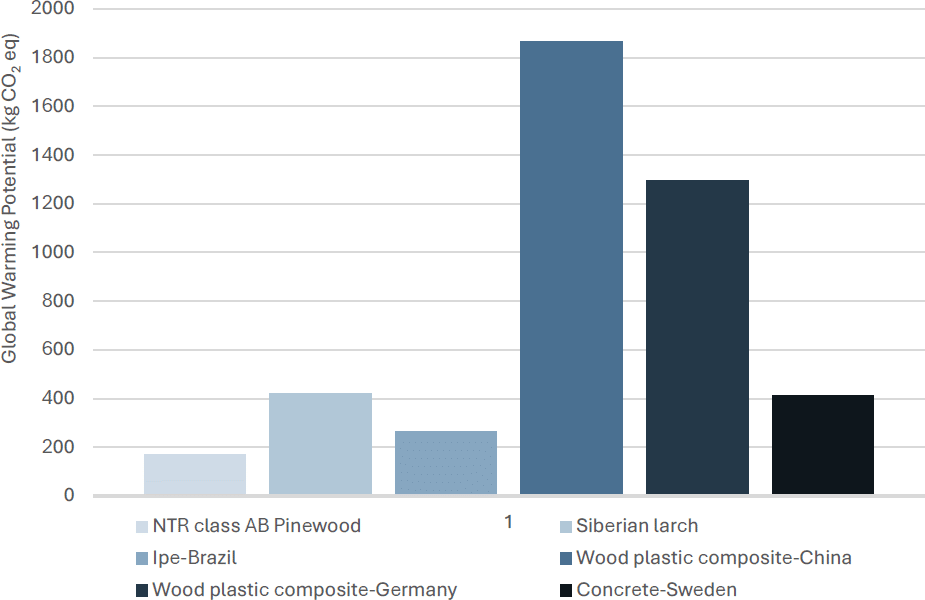
Figure 2. Global warming potential of terrace made of various building materials
Located on the Shoreline of Georgian Bay, Ontario, Canada
Within the graph above, notice that concrete, wood plastic composite materials and various wood species are compared for their impact of global warming potential. Wood plastic composites have the largest global warming potential compared to wood and concrete.
The benefits of using real wood are indefinite. Real wood can be protected and enhanced as well as tailored to unique aesthetic objectives. Look at this deck for example:
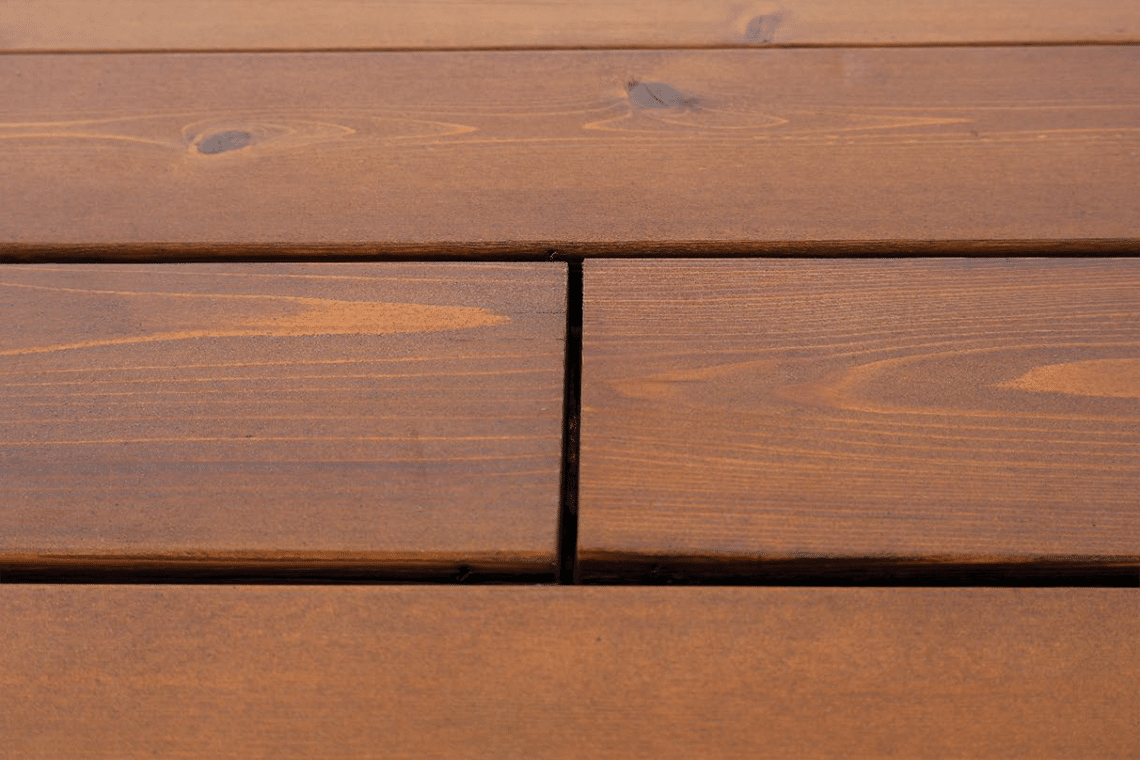
Exposed for 2-years. Notice the decking boards are not warping, cupping, cracked or showing signs of wear. The decking boards are maintaining their beauty, displaying durability, and will continue to do so. The coating system used on this deck is 1-coat Sansin Dec – Banff Brown, and 1-coat Sansin Dec Naturals Topcoat. Maintenance will be expected every 3-4 years.
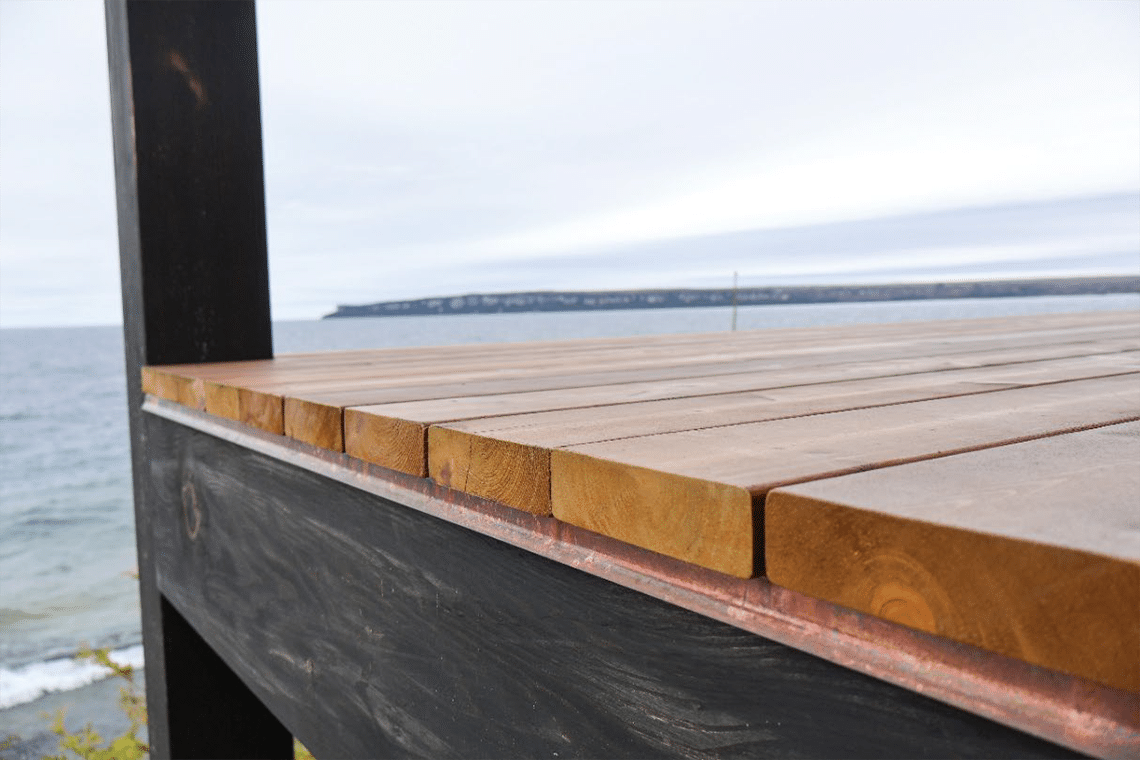
Notice the copper flashing, sealed end grain, and spacing considerations used to build this deck. Good design features like this contribute to the performance of wood.
End Grain is coated with Sansin Dec preventing moisture absorption. Copper flashing is used to prevent water damage.
Spacing is built into the deck at each joint to allow the deck to expand and contract and dry thoroughly.
In conclusion, real wood stands out as the preferred choice for decking due to its environmental sustainability, strength, durability, aesthetic appeal, comfort, safety, and cost-effectiveness. Unlike composite materials, real wood is a natural and renewable resource that stores carbon and reduces emissions. Its strong cellulose fibers provide superior tensile and flexural strength, while certain species like redwood and cedar offer natural resistance to rot and insects. The unique grain and character of real wood contribute to its beauty and calming presence in outdoor spaces. Additionally, wood decks provide secure footing and are significantly lower in cost than composite options. At the end of its life, real wood can be reused or recycled, reducing waste and environmental impact.
References
Bergman, R., Sup-Han, H., Oneil, E., & Eastin, I. (2013). Life-cycle assessment of redwood decking in the United States with a comparison to three other decking materials. Life-cycle assessment of redwood decking in the United States with a comparison to three other decking materials. To be published to the Web at CORRIM. ORG.; 2013; 101 p., 1-101.
Erlandsson, M., & Laurenti, R. (2018). LCA on NTR treated wood decking and other decking materials.
Ramachandran, K., Gnanasagaran, C. L., & Vekariya, A. (2023). Life cycle assessment of carbon fiber and bio-fiber composites prepared via vacuum bagging technique. Journal of Manufacturing Processes, 89, 124-131.
Arnandha, Y., Satyarno, I., Awaludin, A., Irawati, I. S., Prasetya, Y., Prayitno, D. A., … & Amalia, A. (2017). Physical and mechanical properties of WPC board from sengon sawdust and recycled HDPE plastic. Procedia Engineering, 171, 695-704.
Adhikary, K. B., Pang, S., & Staiger, M. P. (2008). Dimensional stability and mechanical behaviour of wood–plastic composites based on recycled and virgin high-density polyethylene (HDPE). Composites Part B: Engineering, 39(5), 807-815.
Dias, Z. D., & Alvarez, C. E. (2017). Mechanical properties: wood lumber versus plastic lumber and thermoplastic composites. Ambiente Construído, 17 (2): 201-219.
Segerholm, B. K., Ibach, R. E., & Westin, M. (2012). Moisture sorption, biological durability, and mechanical performance of WPC containing modified wood and polylactates. BioResources Volume 7, Number 4, 4575-4585; 2012., 7(4), 4575-4585.
Wu, W., Li, P., Huang, L., Wei, Y., Li, J., Zhang, L., & Jin, Y. (2023). The role of lignin structure on cellulase adsorption and enzymatic hydrolysis. Biomass, 3(1), 96-107